
In the world of nutrition, fiber often doesn’t get the spotlight it deserves. While many of us focus on proteins, fats, and carbohydrates, fiber quietly plays a crucial role in maintaining our health. This blog dives deep into the importance of fiber, how much we need, and the best foods to ensure we’re getting enough.
Types of Fiber:
- Soluble Fiber: Dissolves in water, forming a gel-like substance that can help lower cholesterol and regulate blood sugar levels. Found in foods like oats, beans, apples, and citrus fruits.
- Insoluble Fiber: Doesn’t dissolve in water and helps add bulk to stool, promoting regular bowel movements. Found in whole grains, nuts, beans, and vegetables like carrots and broccoli.
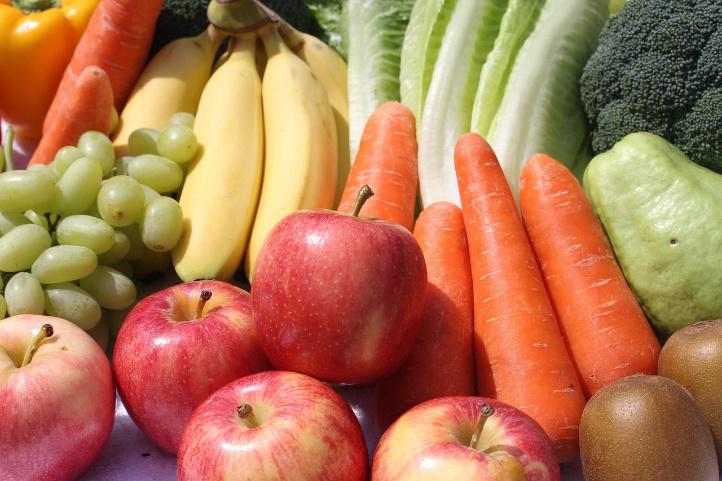
Soluble Fiber
This type dissolves in water, forming a gel-like substance that can help lower cholesterol and regulate blood sugar levels. Soluble fiber is generally more fermentable in the colon than insoluble fiber. You’ll find soluble fiber in foods like oats, beans, apples, and citrus fruits.
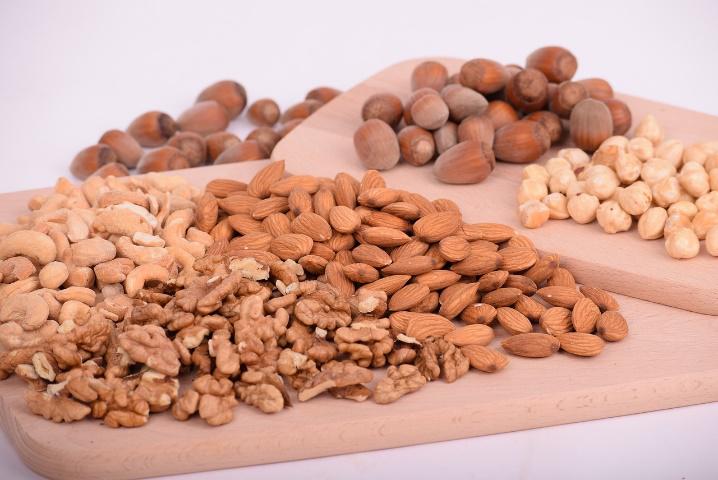
Insoluble Fiber
The Importance of Fiber
- Improves Digestive Health: Adds bulk to stool, helps prevent constipation, and reduces the risk of digestive disorders like hemorrhoids and diverticulitis.
- Supports Heart Health: Soluble fiber helps lower LDL (bad) cholesterol levels, supporting heart health and reducing cardiovascular disease risk.
- Regulates Blood Sugar Levels: Soluble fiber can slow sugar absorption, helping control blood sugar levels and preventing spikes.
- Aids in Weight Management: High-fiber foods are more filling, which helps control appetite and reduce overall calorie intake.
- Promotes a Healthy Gut: Fiber acts as a prebiotic, feeding beneficial gut bacteria, improving immunity, mood, and overall health.
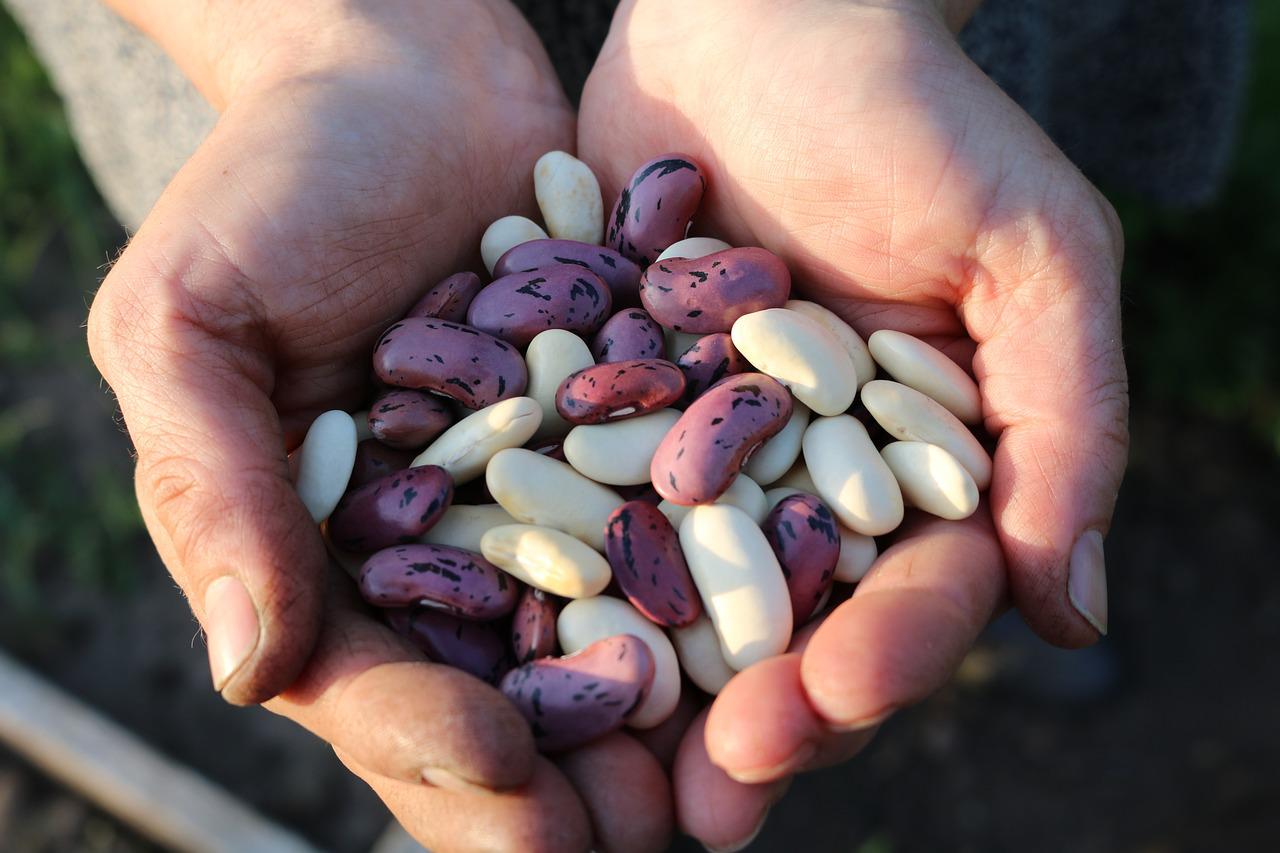
How Much Fiber Should You Be Eating?
Despite its benefits, most people don’t get enough fiber. The recommended daily intake varies by age and gender:
- Men under 50: 38 grams per day
- Men over 50: 30 grams per day
- Women under 50: 25 grams per day
- Women over 50: 21 grams per day
- Pregnant Women: 28 grams per day
- Lactating Women: 29 grams per day
Unfortunately, the average adult consumes only about 15 grams of fiber per day—well below the recommended amounts. Increasing your fiber intake is one of the simplest and most impactful changes you can make for your health.
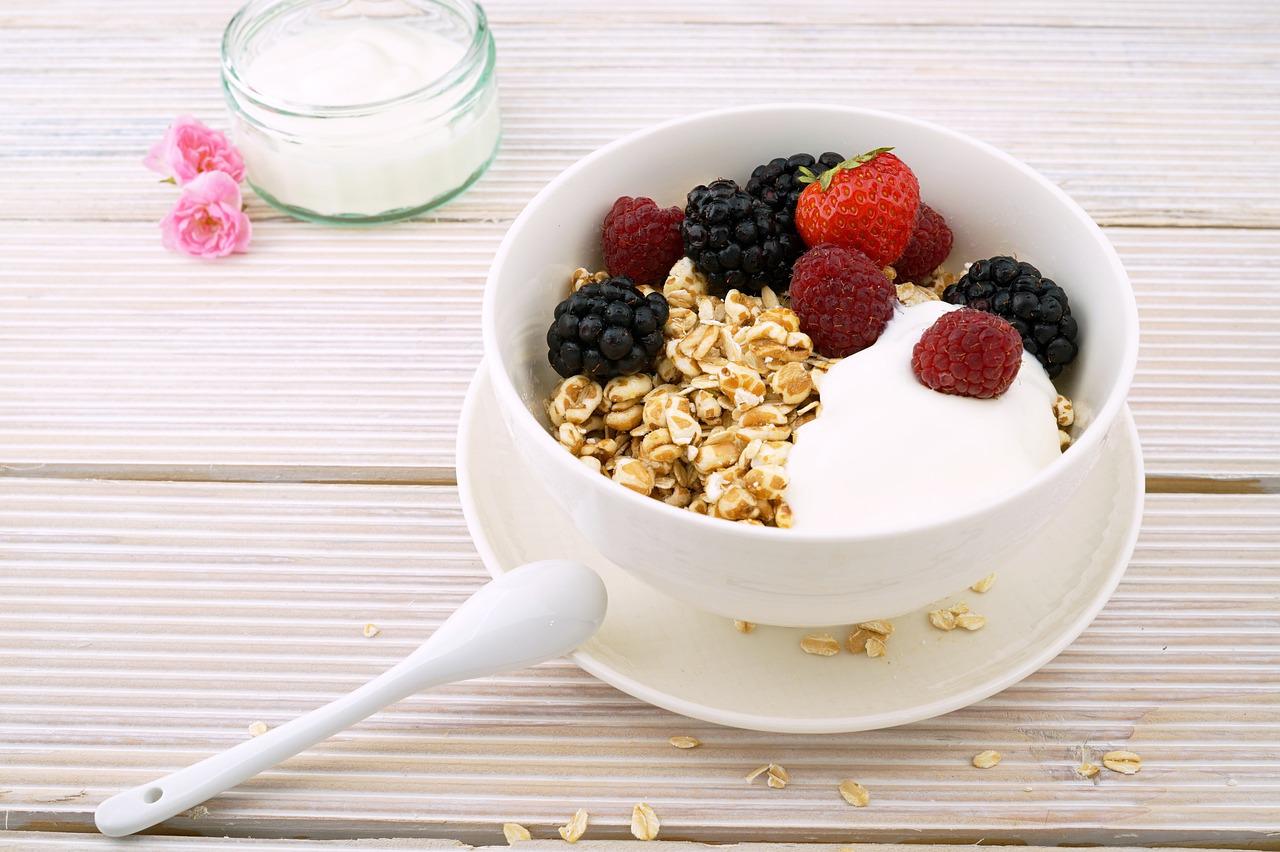
High-Fiber Foods to Include in Your Diet
Incorporating more fiber into your diet doesn’t have to be difficult. Here are some fiber-rich options:
- Fruits:
- Apples: 4.4 grams of fiber per medium apple with skin.
- Pears: 5.5 grams per medium pear with skin.
- Berries: Raspberries and blackberries have about 8 grams per cup.
- Vegetables:
- Broccoli: 5 grams per cup of cooked broccoli.
- Carrots: 3.6 grams per cup of raw carrots.
- Brussels Sprouts: 4 grams per cup of cooked Brussels sprouts.
- Whole Grains:
- Oats: 4 grams per cup of cooked oatmeal.
- Brown Rice: 3.5 grams per cup of cooked brown rice.
- Quinoa: 5 grams per cup of cooked quinoa.
- Legumes:
- Lentils: 15.6 grams per cup of cooked lentils.
- Black Beans: 15 grams per cup of cooked black beans.
- Chickpeas: 12.5 grams per cup of cooked chickpeas.
- Nuts and Seeds:
- Almonds: 3.5 grams per ounce of almonds.
- Chia Seeds: 10 grams per ounce of chia seeds.
- Flaxseeds: 8 grams per ounce of flaxseeds.
- Whole-Grain Products:
- Whole-Grain Bread: 2 grams per slice.
- Whole-Wheat Pasta: 6 grams per cup of cooked whole-wheat pasta.
- Popcorn: 1.2 grams per cup of air-popped popcorn.
Tips for Increasing Fiber Intake
- Start your day with fiber: Choose a high-fiber cereal or add chia seeds or berries to your oatmeal.
- Snack smart: Opt for fruits, vegetables, or nuts instead of processed snacks.
- Make simple swaps: Use whole-grain products like whole-wheat bread instead of refined grains.
- Incorporate legumes: Add beans or lentils to soups, salads, or as a side dish.
- Stay hydrated: Drink plenty of water, as fiber works best when it absorbs water during digestion.
Can You Eat Too Much Fiber?
Excessive fiber intake can cause gastrointestinal discomfort, such as diarrhea, flatulence, and gas. It’s important to increase your intake gradually and drink plenty of water to aid digestion.
Conclusion
Fiber is a fundamental part of a healthy diet, offering numerous benefits from improved digestion to better heart health. By making fiber a priority in your daily meals, you can take significant steps toward a healthier, happier you. Remember, consistency is key—so start incorporating more high-fiber foods into your diet today and enjoy the benefits that come with it!
References
- Barber TM, Kabisch S, Pfeiffer AFH, Weickert MO. The health benefits of dietary fibre. Nutrients. 2020;12(10). doi:10.3390/nu12103209
- Stipanuk MH, Caudill MA. Biochemical, Physiological, and Molecular Aspects of Human Nutrition. Fourth. Elsevier, Inc.; 2019.